We can’t change a diagnosis, but we can change how someone experiences it.
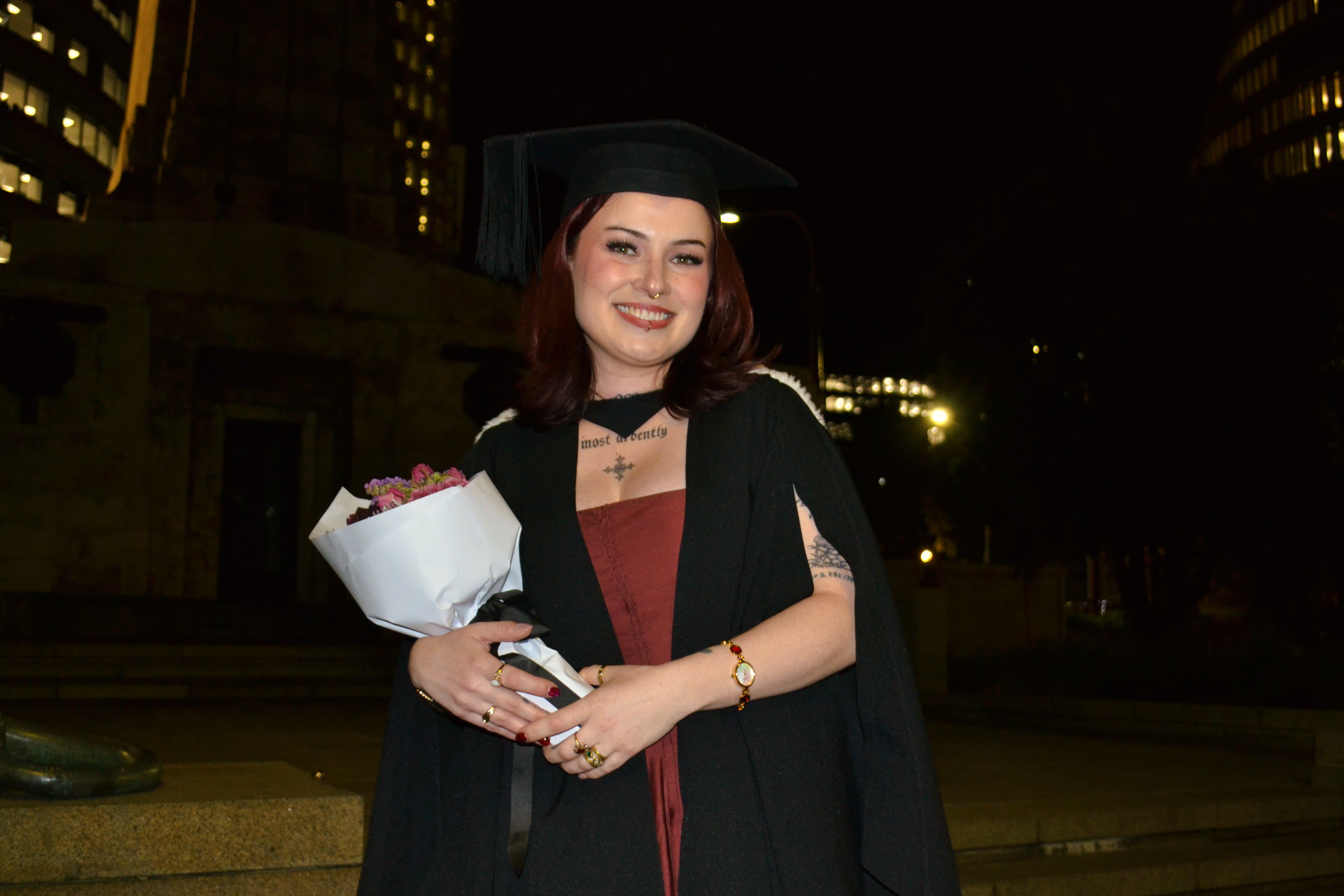
At 29, Sammie is preparing for a new chapter of her life overseas. She has graduated from university, her health is finally stable, and she is making plans for the future.
But getting to this point has been a long journey.
Sammie was diagnosed with Crohn’s disease in 2015, during her final year of high school. Crohn's is an incurable and painful condition where the body's defense system mistakenly attacks its own digestive tract, causing patients to have severe pain.
Seeking specialist care, she moved from Taupō to Wellington in 2017, now hundreds of kilometres from her family and beginning a difficult healthcare journey that would span years.
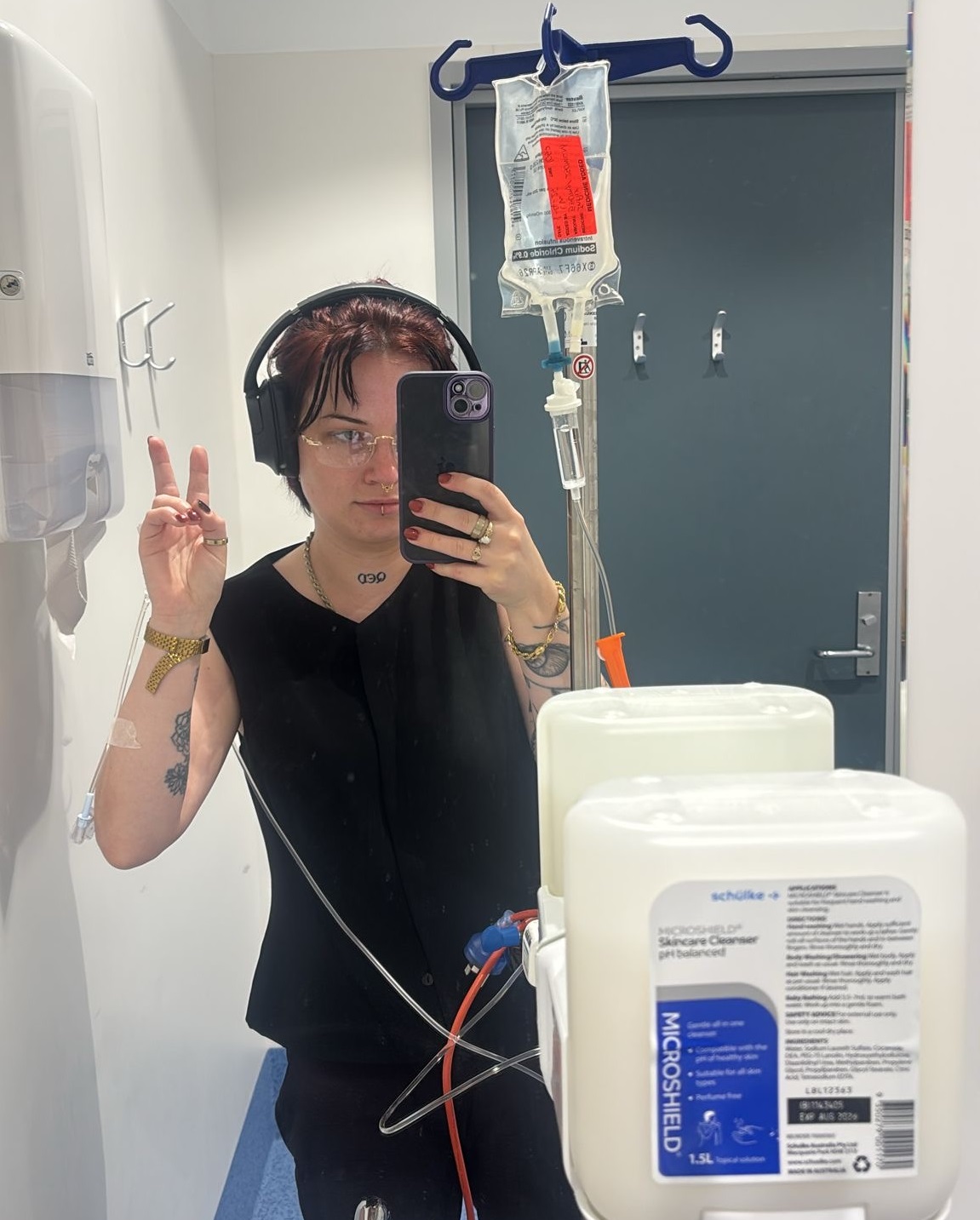
In 2019, when her medication stopped working, Sammie began immunosuppressant infusions at Kenepuru Hospital.
Every fortnight, she would spend up to six hours sitting in a treatment chair while medication slowly dripped into her arm.
It became a part of life, and in many ways, took over her life. She constantly had to take time off her job, and pause starting her university studies as she knew she wouldn’t have the concentration and dedication needed for this study.
Her life was in limbo, controlled by this illness.
But throughout those years, the healthcare teams caring for Sammie became an important source of support.
She has had the same specialist and nurses since moving to Wellington. They know her, understand her condition and even gave her their work phone numbers so she could get in touch when she was experiencing a flare-up. Knowing that someone who understood her illness was only a message away brought a lot of relief and comfort.
It was these small moments of care that were the most important in helping get her through this time in her life.
"I had to take time off work to sit in a chair all day. And the volunteers, they were the best. They’d come round all the time. I’d get a Milo. They’d fill up my water bottle. There was a little dog that came round once — you could tell it was a bad day when the dog came round.”
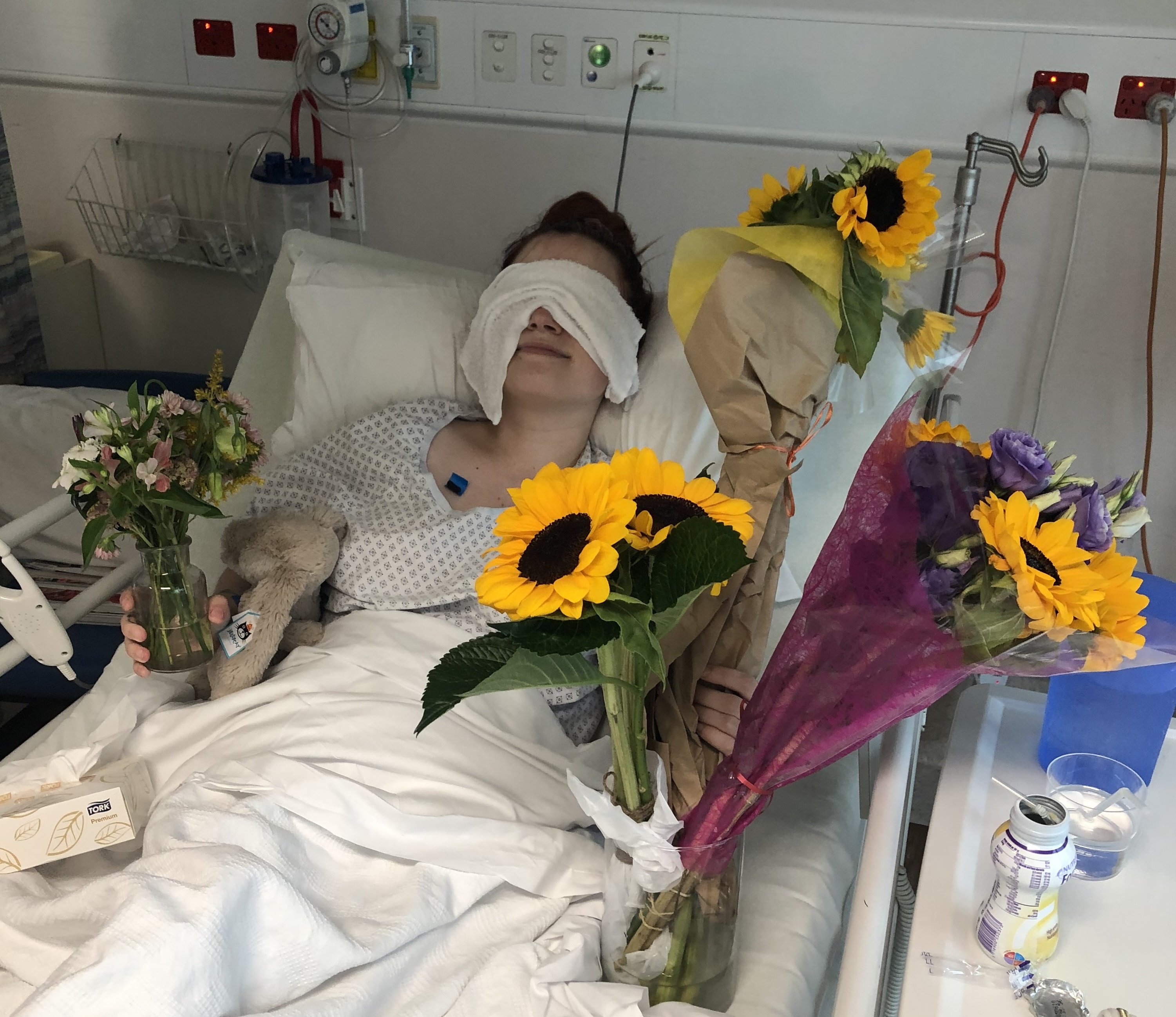
In 2020, Sammie’s condition became more serious. A colonoscopy revealed extensive scar tissue had closed the valve between her small and large intestine. Her medical team acted quickly, performing surgery to remove around 30 centimetres of her bowel.
Recovery was difficult, and with no family nearby, Sammie was used to coping on her own. But once again, the people around her stepped up.
She remembers one nurse in particular with bright hair just like hers who gave her the confidence and reassurance she needed.
“I never felt alone through the whole process, even though technically I was there by myself.”
That care stayed with Sammie.
Her follow-up colonoscopy showed her Crohn’s disease had gone into remission for the first time. Her infusions could move from every fortnight to once every eight weeks.
For the first time in years, Sammie could start making plans for her future.
She enrolled at university and has now graduated with a Bachelor of Science with majors in Mathematics and Statistics.
Even now, with less medical support needed, her team hasn’t forgotten a thing about the care she needs. For her most recent colonoscopy, knowing how anxious the procedure makes her, they gave her a general anaesthetic. A nurse even warmed a dressing gown for her to change into afterwards, because they know she struggles with the cold once she comes round.
Sammie’s Crohn’s is now in deep remission. As she boards her flight to Melbourne this year, with her partner, a degree in Science, and her health finally stable — she is stepping into a future that once seemed impossible.
This is the change your support makes possible. Not just treatment, but the hundreds of small moments of care. A warmed dressing gown, a nurse who knows your name, a volunteer with a cup of Milo.
Help make hospital stays a little easier for patients like Sammie.